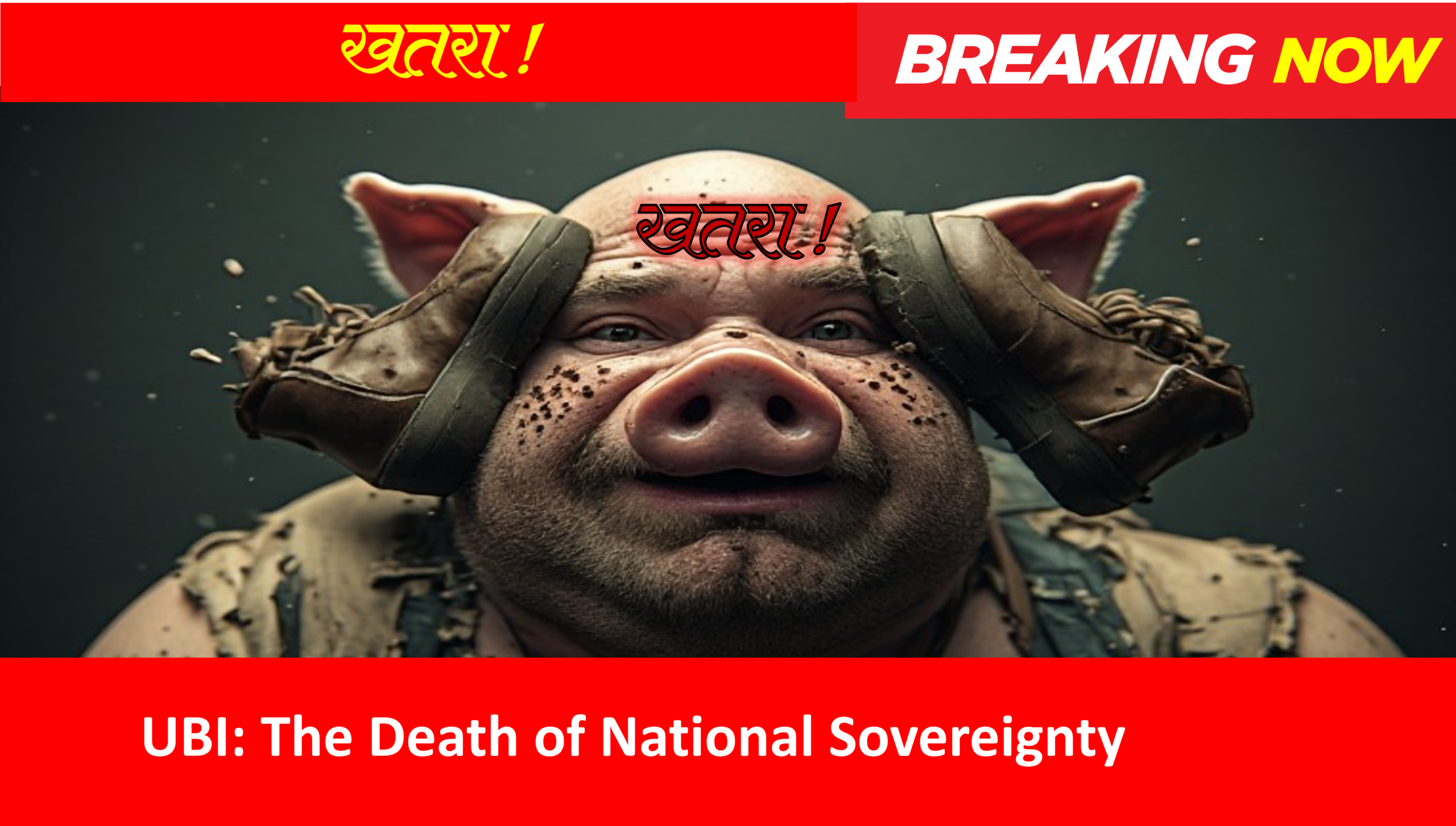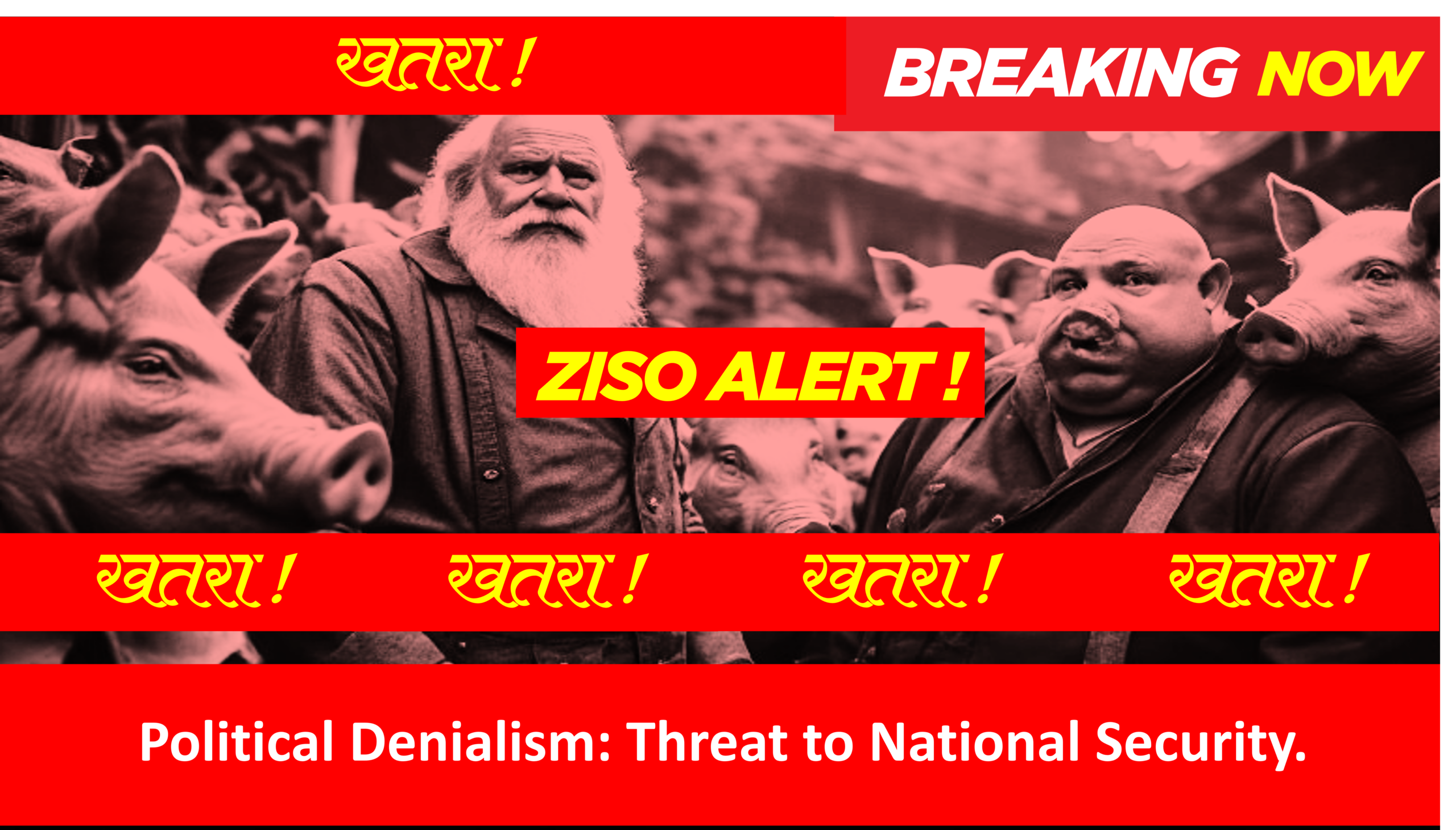


Abstract. This article explores the dangerous intersection of political actors and predatory private entities. It argues that compromising security integrity to satisfy “pigheaded” or corrupt business interests creates long-term security vulnerabilities rather than achieving short-term tactical advantage. Conversely, the systemic hostility directed toward honest, patriotic startups suggests a misalignment in national priorities, where the preservation of corrupt influence over the fostering of indigenous innovation is considered a comfortable arrangement.
Introduction: The Mechanism of Compromise
National security depends on an objective relationship of trust between the state and the private sector. However, a dangerous paradigm has emerged: the reliance on “compromised” deals with predatory business entities. While these deals may offer short-term tactical advantages, they create a dependency that compromises the state’s long-term autonomy. A businessman who secures a contract through illicit means gains leverage over the security apparatus, effectively weaponizing the vulnerabilities he has identified to ensure future dominance and state-sanctioned rent-seeking. Compromising security integrity to satisfy “pigheaded” or corrupt business interests create long-term national security vulnerabilities.
The Loop of Exploitation
The core danger of engaging with entities lacking moral capital is the creation of a “vulnerability trajectory.” Once a businessman identifies the gaps in national security infrastructure—often exposed during the negotiation process—this information becomes a commodity.
Once a compromise is struck, the security apparatus loses its bargaining power. The businessman, having mapped the internal weaknesses of the institution, essentially becomes a “shadow controller.” This creates a dependency where the apparatus is forced to grant repeated concessions to stay aligned with an actor who now possesses “insider” knowledge of the state’s security architecture. This cycle risks national sovereignty by subordinating security protocols to private profit motives.
The businessman leverages this insight to:
- Predictive Coercion: Utilizing knowledge of legal/security thresholds to bypass oversight.
- The Loop of Dominance: Once a businessman identifies state vulnerabilities, they utilize this intelligence to manipulate future state actions. The businessman effectively transition from a collaborator to an overseer, leveraging the state’s own weaknesses to secure profitable, unethical contracts. Thus, compromising long-term national security interests.
The “Impractical” Patriot: Sidelining Patriotic Startups
While corrupt and predatory actors are comfortably granted the access, patriotic and honest startups are frequently and openly abused and targeted. This reaction is often driven by institutional paranoia. When patriotic entrepreneurs attempt to engage with state entities, their activity is often misinterpreted as a threat to their lineage and legacy. The patriotic values of such loyal entrepreneurs are considered impractical.
Instead of seeing an ally, institutional gatekeepers often view the motivated patriot as an anomaly to be managed or a threat to be neutralized. Why? Because the patriotic entrepreneur operates outside the established “crony” and “predatory” networks. They are mission-driven rather than rent-seeking. This disruption is perceived as a threat to the lineage and legacy of those who have spent decades comfortably maintaining the current, inefficient order.
Relying on entities that prioritize short-term profit over long-term national security is what is truly impractical—and ultimately, dangerous. The truly practical path is one of sovereignty and patriotic capability. By dismissing founders who love their country as “impractical,” these institutions are not just being cynical; they are actively sabotaging our collective future.
Conclusion. The current trajectory of allowing corrupt business interests to dictate security outcomes is unsustainable. By prioritizing the preservation of a “stooge” network over the development of an honest, innovative class, the state is effectively facilitating its own vulnerability. A shift toward transparency and the protection of patriotic ingenuity is not merely an economic necessity—it is an urgent requirement for the preservation of national sovereignty.
Recommendation: A Call for a Shift in Perspective
We need a radical realignment of how our institutions view patriotic innovators.
- Stop equating loyalty with disruption: Recognizing that a founder’s patriotism makes them a reliable partner, not a wildcard.
- Reward long-term resilience: Shift the procurement culture from “who is the cheapest” to “who provides the most long-term national security.”
- End the gatekeeping: It is time to treat the predatory, corrupt actors with the suspicion they deserve and open the doors to those who are actually invested in the national legacy.
Being patriotic isn’t a business weakness; it is the ultimate competitive advantage. It is time our systems stop punishing the people who care the most. If we continue to view our best entrepreneurs as “impractical,” we will soon find ourselves with a system that is perfectly optimized to be exploited by the foreign deep state network.