
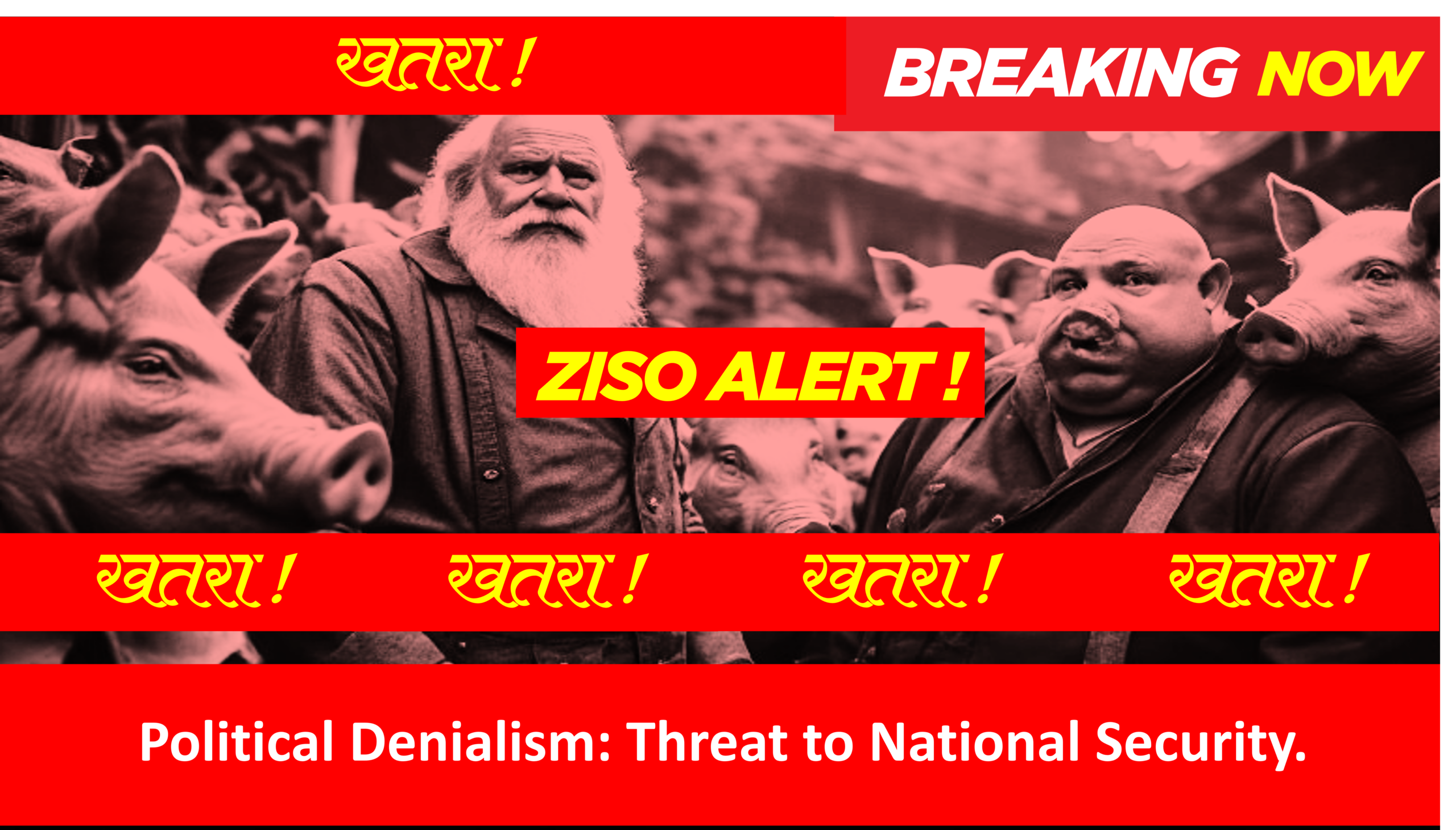
Abstract: This article examines the psychological and sociological mechanisms underlying the decline of political actors who prioritize personal financial gain over the collective interest. By focusing on the interplay between denialism, the exploitation of public narrative, and the marginalization of sovereign expertise, this paper argues that the erosion of a nation’s intellectual fabric inevitably triggers a collapse of the very artifice these politicians have constructed to sustain their status.
1| Introduction: The Mirage of Public Image
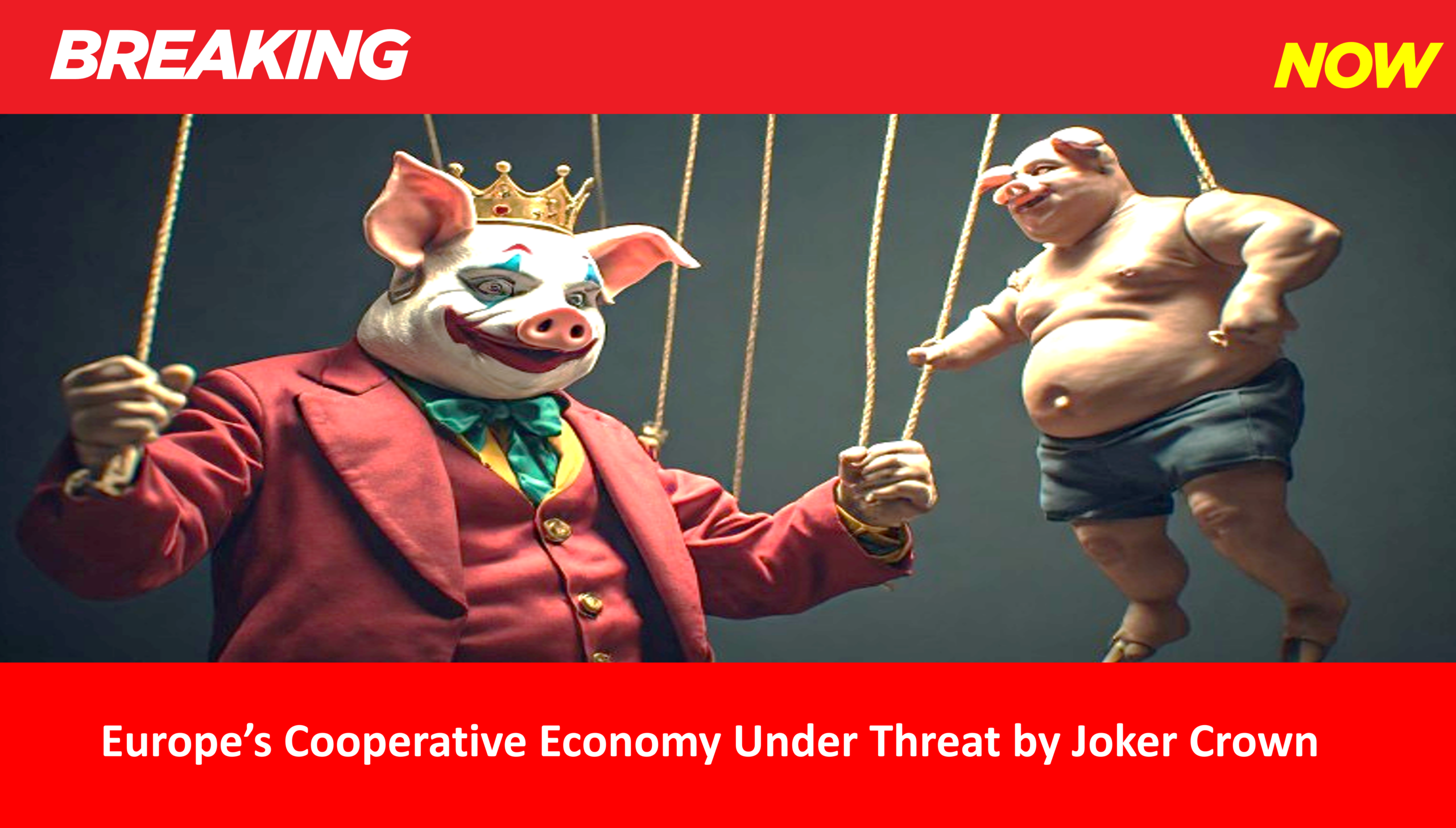
In the theater of modern governance, there exists a profound distinction between genuine service and the curation of an artificial public profile. When individuals within the political sphere become consumed by material acquisition, their focus shifts from the stewardship of the public trust to the protection of a fragile, manufactured self-image. This paper explores the philosophical trajectory of such actors—from the initial pursuit of influence to the inevitable state of public mockery that arises when their actions are brought into the light of collective scrutiny.
2| The Suppression of Truth: The Scientist as a Mirror
A healthy society relies on the objective inquiry of its sovereign scientific community. These individuals provide a mirror to the nation, reflecting the reality of its health, environment, and social dynamics. However, when those in political positions perceive objective reality as a threat to their personal agendas, they often engage in the systemic marginalization of these truth-seekers.
By silencing the voices of those who provide empirical, sovereign perspectives, these political actors attempt to create a vacuum where only their curated narratives exist. Philosophically, this represents a retreat from reality into a state of solipsism. When the expertise of the scientist is discarded in favor of personal convenience, the foundation of the state’s decision-making process is compromised, leading to an eventual breakdown in the social contract.
3| The Mechanics of Complicity: Grooming the Narrative
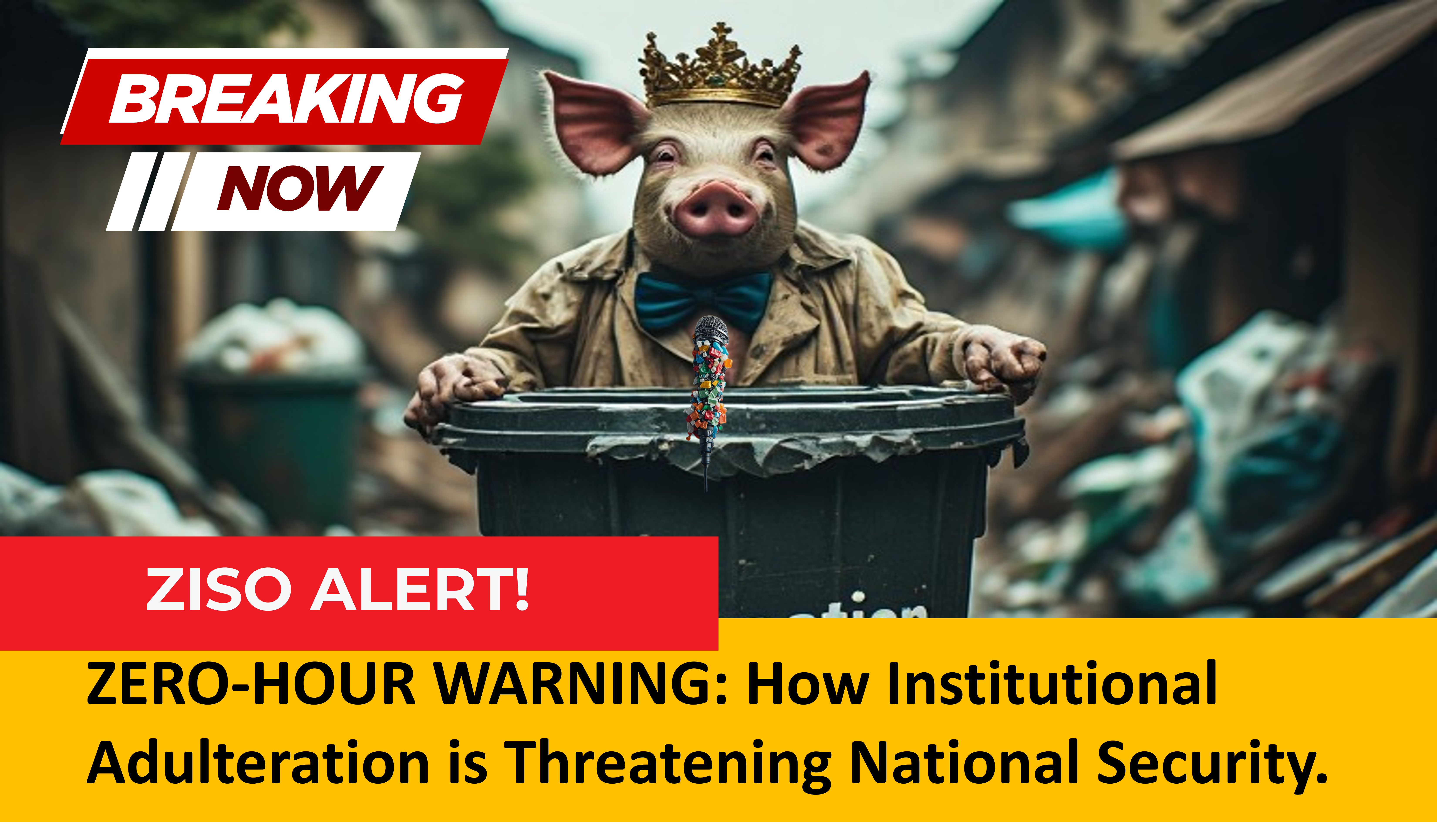
One of the most insidious behaviors observed in these networks is the manipulation of information channels. Instead of engaging in transparent discourse, some political actors rely on the covert orchestration of media influences. By coercing or grooming individuals within the press to maintain a facade of virtue, they attempt to build a secondary reality.
This practice is inherently unstable. It requires a constant, exhausting investment in deception. When the citizenry begins to perceive that their journalists are not chroniclers of truth but appendages of a private image-management system, the trust essential for a functioning society evaporates. The “grooming” of public perception is not a sign of competence; it is a sign of deep-seated insecurity and the desire to hide a reality that no longer aligns with the national interest.
4| The Mechanism of Political Denialism
Political denialism occurs when a politician—burdened by the weight of past decisions that are increasingly difficult to defend—chooses to inhabit a fractured reality. It is a psychological hangover in the truest sense: the intoxicating, high-status decisions of the past have left a residue of logic-defying consequences. To face these consequences, the individual would have to confront their own professional and moral vulnerability.
Instead, they choose the path of least resistance: the denial of consensus reality.
This state is defined by:
- Selective Perception: The rejection of data, expert analysis, and grassroots feedback that does not align with the self-constructed narrative.
- Fragility of Identity: Any critique from the public is received not as a suggestion for improvement, but as a direct attack on the individual’s existence.
- Cognitive Collapse: The exhaustion of maintaining a lie leads to a breakdown in decision-making, where the individual is incapable of responding logically to actual national crises.
5| The Conversion of the Citizenry
The most dangerous stage of this psychological descent is the shifting perception of the populace. In a healthy framework, the people are the ultimate source of guidance and the primary stakeholders in the nation’s success. However, under the sway of terminal denialism, the individual flips this relationship.
The citizenry, with their rational demands for accountability and transparency, are no longer seen as the people to be served. They are recast as a “hostile force.” The individual begins to view public discourse as an insurgency against their personal narrative. This is the moment of professional and moral obsolescence. When a person in a representative role stops listening to the people, they cease to be an actor for the nation and become an actor for their own protection.
6| The Shift to Public Mockery
The transition from a position of perceived importance to one of public mockery is the final phase of this trajectory. Mockery is the natural social immune response to the exposure of a fraud. When the discrepancy between the “manufactured image” and the “demonstrable reality” becomes too wide to ignore, the intellectual weight of the public turns against the facade.
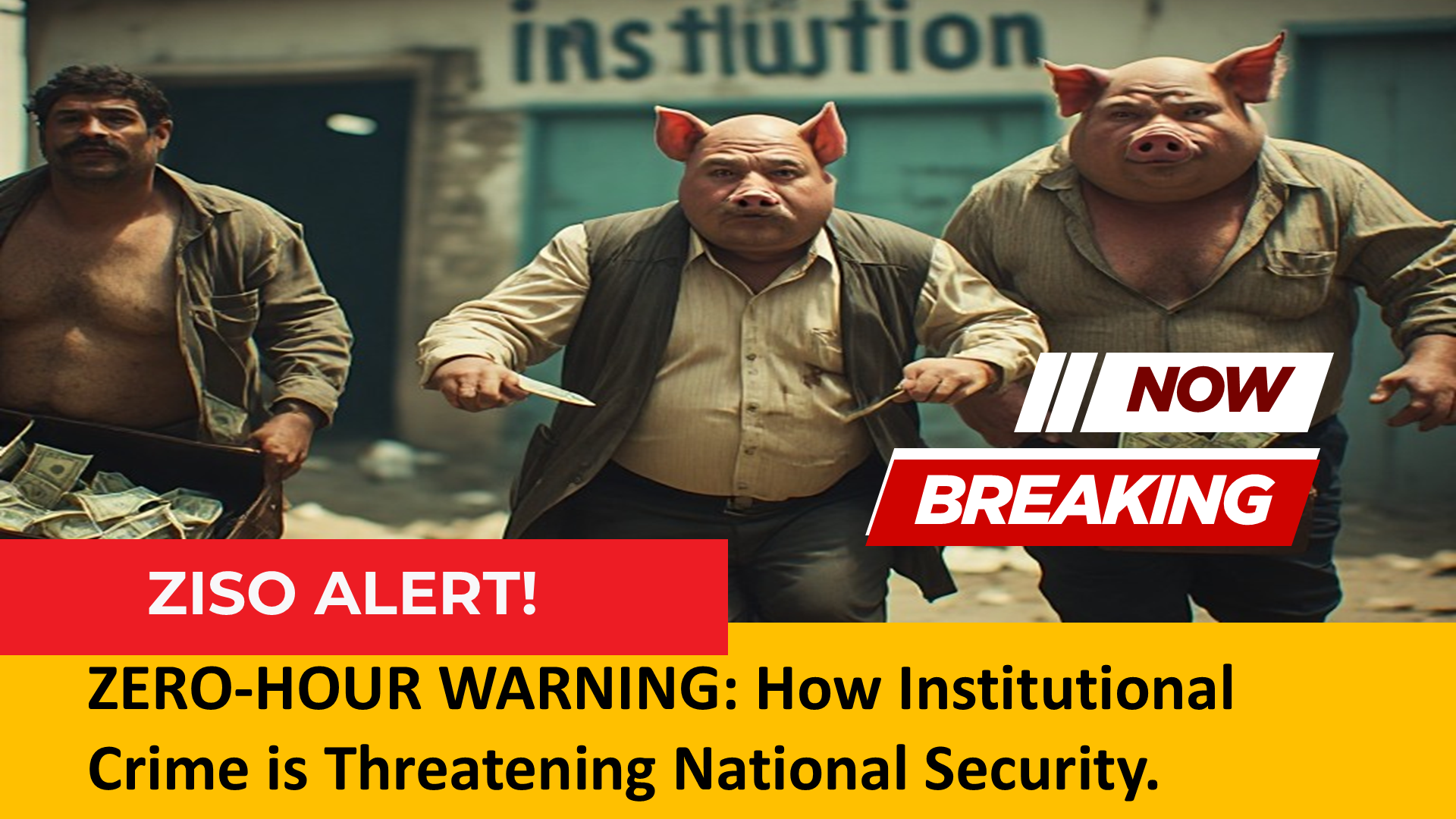
Once the criminal nature of their networks is exposed—specifically their role in undermining the nation’s scientific integrity and its collective well-being—there is no path back to legitimacy. The denialism that shielded them from the truth of their own decline now serves to accelerate it, as they become increasingly detached from the reality of the people they have failed to represent.
7| Implications on National Security
When those tasked with navigating the complex waters of governance are operating under the influence of denialism, the nation itself becomes unsecured. National security is not merely about defense from external threats; it is fundamentally about the internal ability to process information accurately.
If a leader cannot identify an internal threat or a national problem because they are too busy defending their own legacy, the nation becomes vulnerable to stagnation and collapse. A government functioning on the fuel of denialism is akin to a pilot who ignores the cockpit alarms because the sound reminds them that they are failing to fly the plane.
8| Conclusion: The Necessity of Reality
The “hangover” of denialism is a self-imposed prison. It disconnects the individual from the very people they are meant to sustain, creating a vacuum where reality, evidence, and public trust go to die. The resolution of this issue requires a return to humility—a conscious decision to dismantle the inflated ego before the weight of its own deception causes the structure of governance to fail entirely.
For a nation to remain secure, its representatives must be capable of looking into the eyes of the citizenry and seeing partners in progress, rather than adversaries to their own status. Anything less is a betrayal of the promise of service and a direct invitation to instability.